Beyond the stage: The local economy behind big brand events

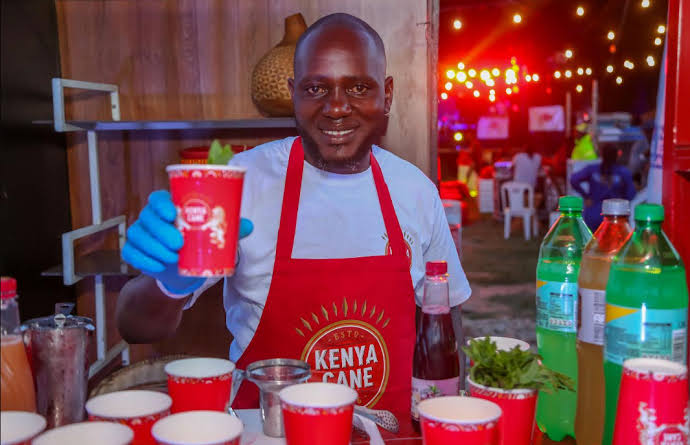
You can tell a big event is coming days before it starts. A stage goes up in the market square, branded tents line the main road and sound checks echo through the evening. By the time the music starts, much of the town has already been working.
Brand activations are usually seen as marketing, a way for brands to meet consumers face to face. For host towns, they can bring a week of unusually good business, and the money reaches many people who never appear on the poster.
That spirit runs through Kenya Cane’s 50th anniversary year. The brand was introduced in 1976 and is marking the milestone under its Spirit Yetu Idumu platform. A special “pass the bottle” trophy will tour the country through key activations, and every stop is also a boost for the local economy.
An activation creates jobs long before gates open. Stages, lighting and sound need to be set up, and venues have to be prepared and cleaned. Security teams, ushers and first-aid crews are needed on the day.
When organisers hire locally, that money goes straight into households in the host town. For many young people, a weekend’s work at a major event is welcome income, and sometimes a first step into the events industry.
Hotels and guesthouses fill up, restaurants serve extra customers and boda boda riders, taxi drivers and matatu operators carry revellers to the venue and home again late into the night.
For informal traders, a crowd of thousands is an opportunity few ordinary weeks offer. Food vendors, snack sellers and hawkers set up around the venue, and nearby bars, wines and spirits shops and distributors see a lift in sales.
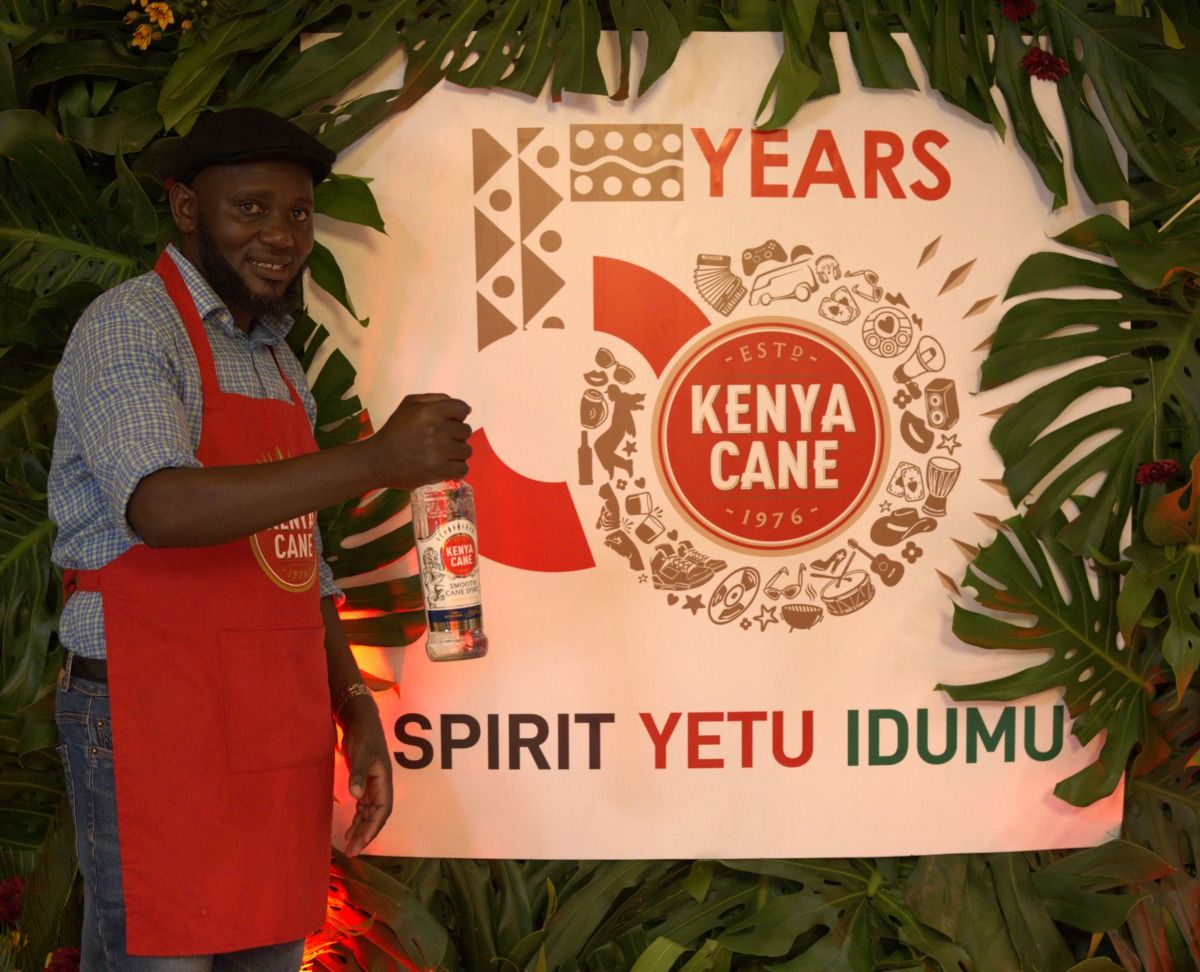
Kenya Cane says these trade partners are at the heart of its anniversary.
“From the teams who work hard to maintain our quality, to our distributors, trade partners and the many people who have helped bring Kenya Cane to consumers across the country, this milestone belongs to all of them,” said Victor Adada, Senior Brand Manager for Kenya Cane.
Activations also give local creatives a rare platform. Upcoming artists, DJs, MCs, dancers and comedians perform in front of large audiences, sometimes alongside national acts. Local photographers, content creators, decorators and event planners find paid work, and a strong showing can lead to more bookings.
The brand also plans special regional packs that celebrate Kenya’s cultural diversity, and it is building on its Kenya Cane Republik and Passport platforms, which celebrate Kenyan identity. When an event reflects local culture and music, the town feels celebrated rather than simply used as a venue.
None of these benefits are automatic. Communities gain most when organisers hire and buy locally, involve county authorities and local leaders early, and leave venues cleaner than they found them.
For an alcohol brand, responsibility is part of the deal too. That means clear age limits, encouraging moderate drinking and making sure revellers have safe ways to get home.
Done well, an activation serves the brand and the town at once. As Kenya Cane’s trophy travels the country, the party will move on, but its benefits should stay behind in the towns it visits.
Not for sale to persons under the age of 18. Drink responsibly.
Follow us on WhatsApp, Telegram, Twitter, and Facebook, or subscribe to our weekly newsletter to ensure you don’t miss out on any future updates. Send tips to info@techtrendsmedia.co.ke
